
What is a VNA Racking?
VNA racking (Very Narrow Aisle racking) is a high-density pallet storage system designed to maximize warehouse space both horizontally and vertically by minimizing aisle widths and operating with specialized material-handling equipment.
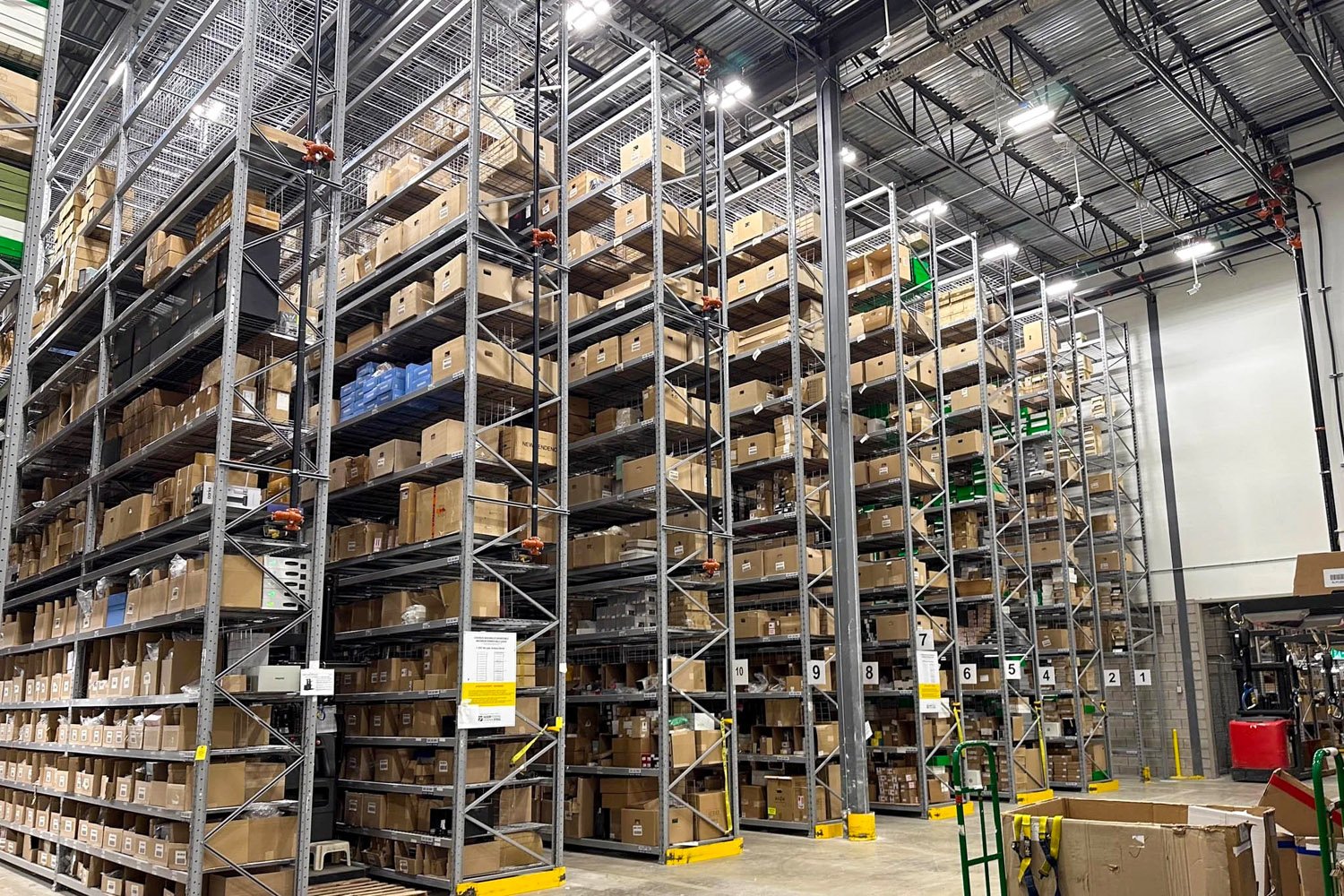
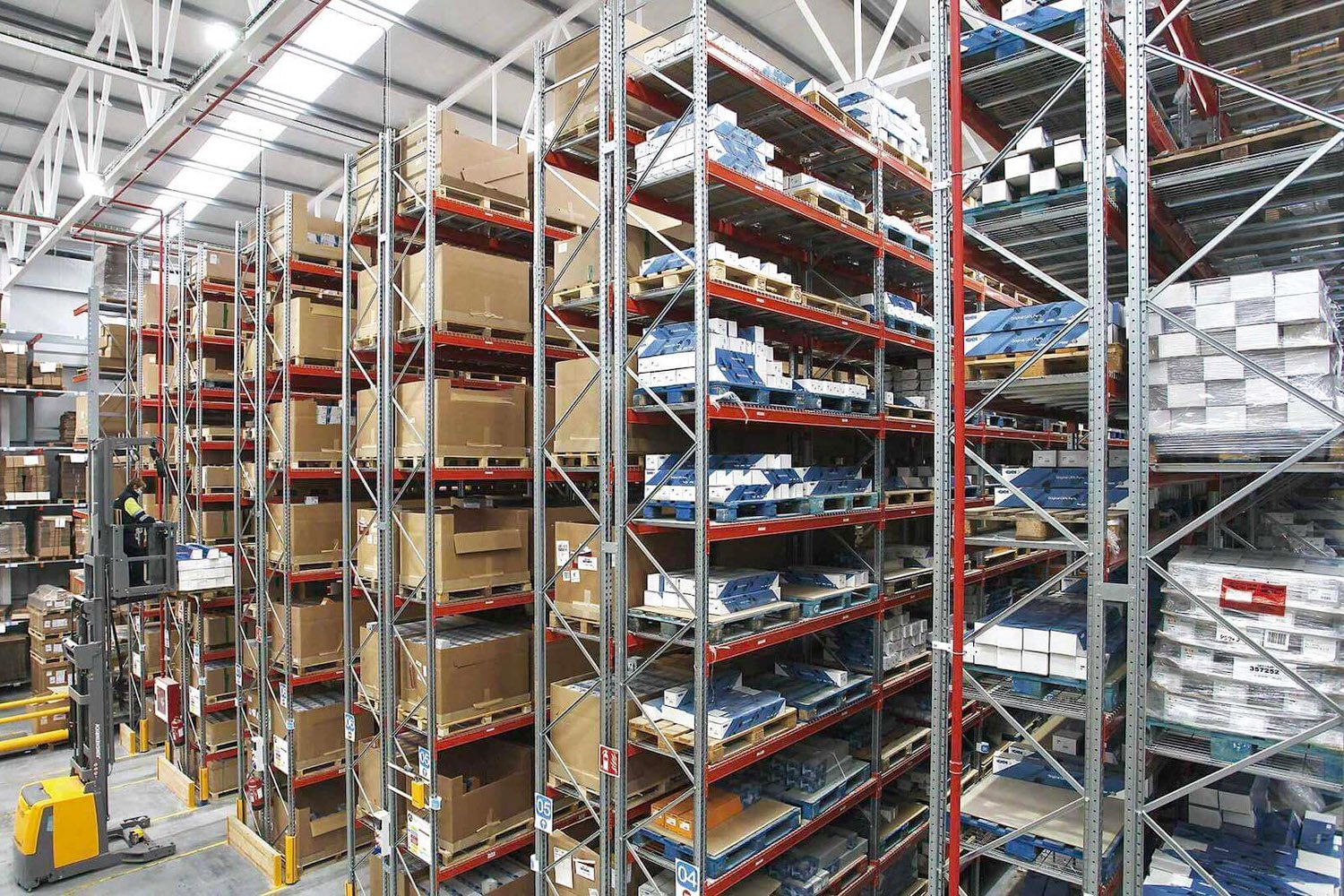
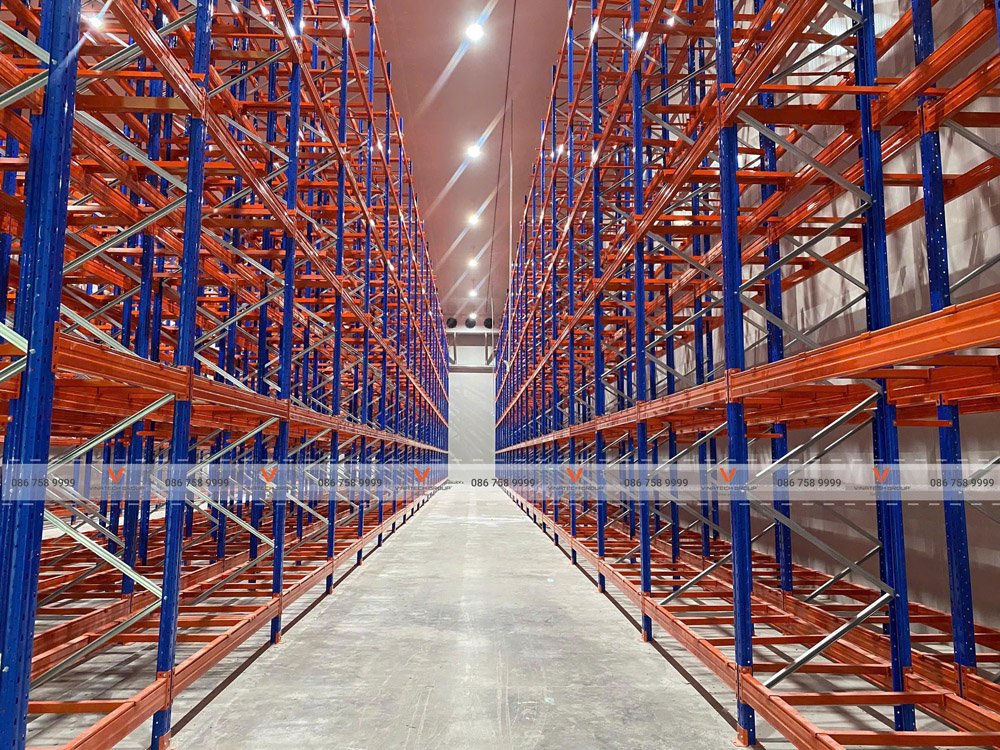
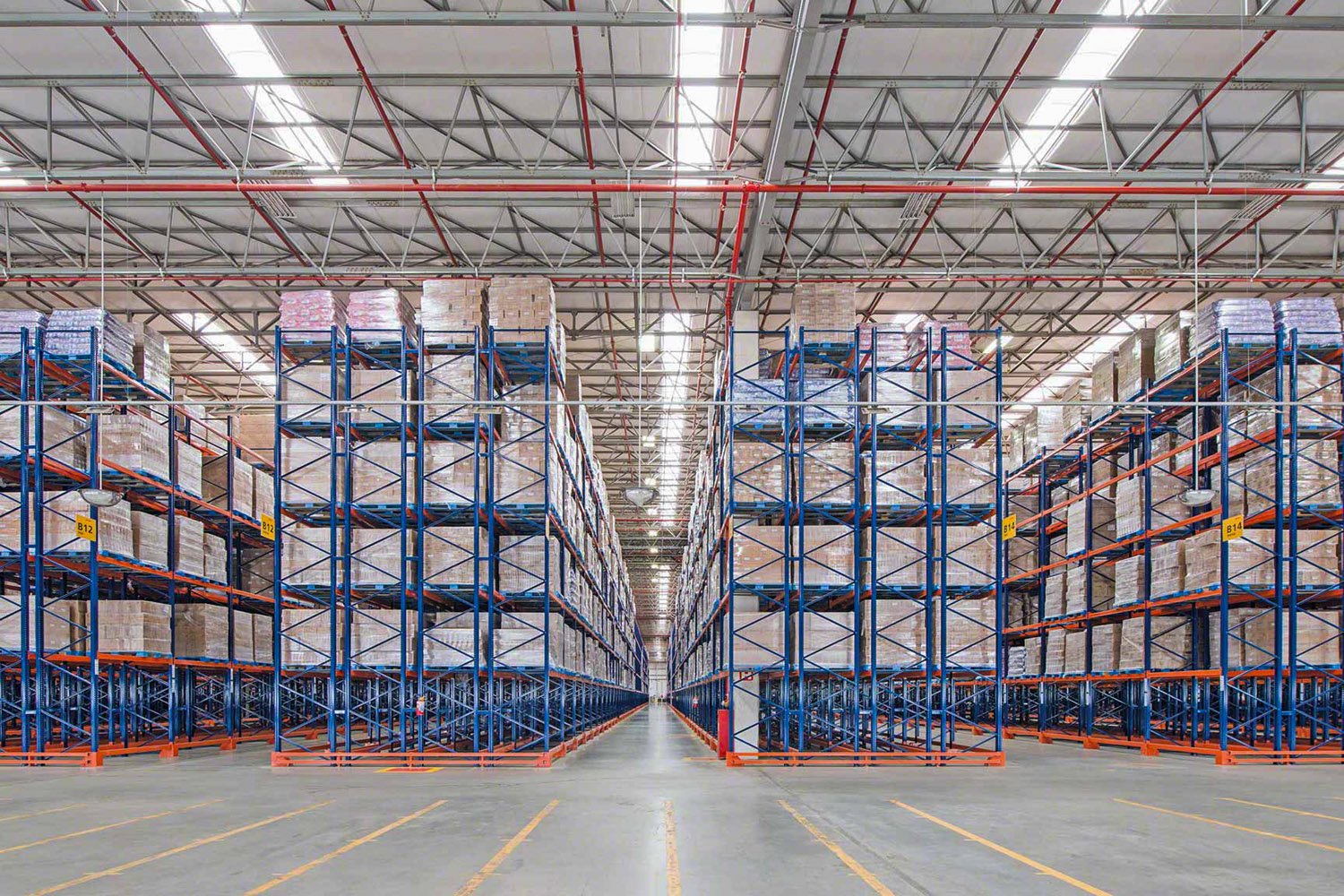
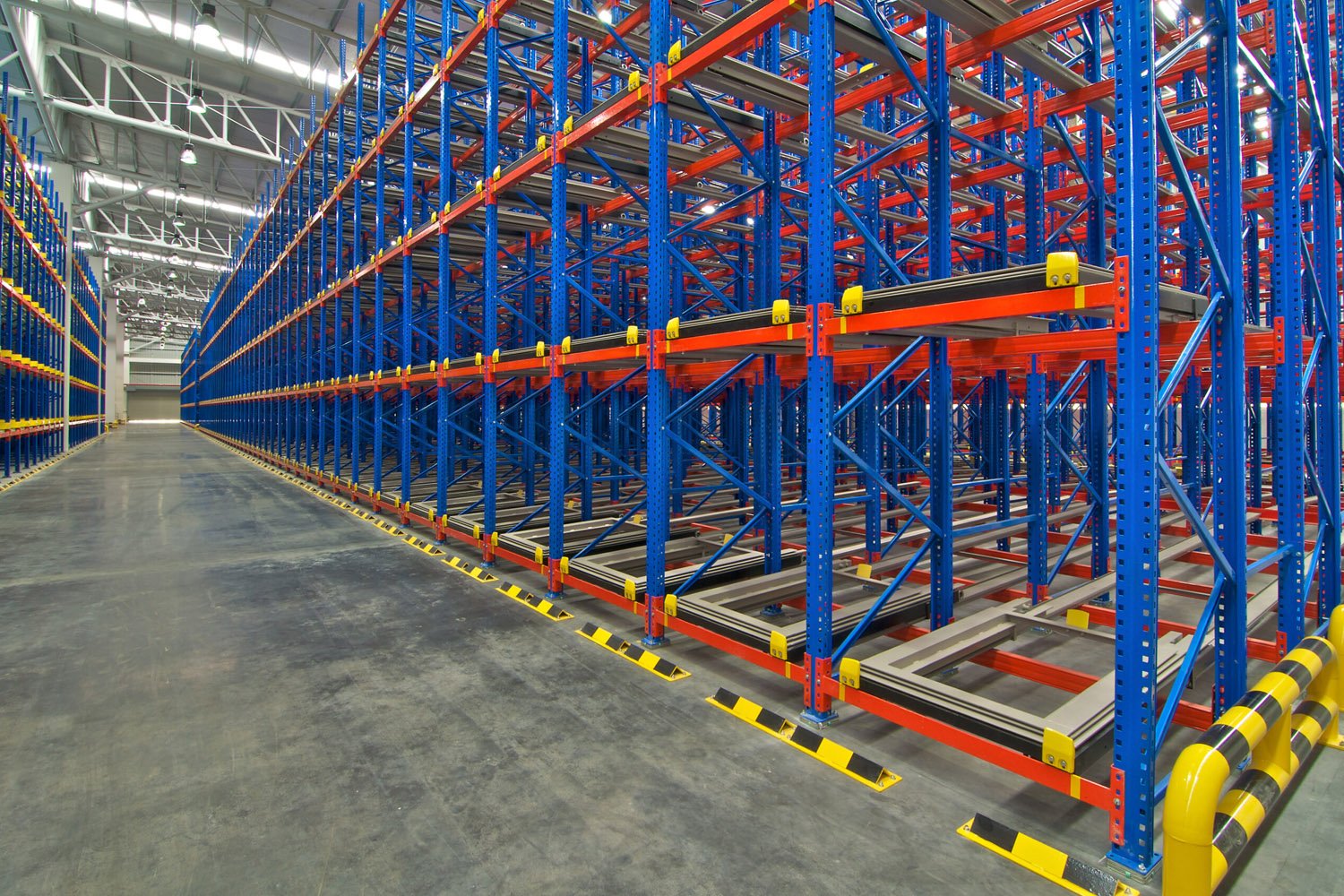
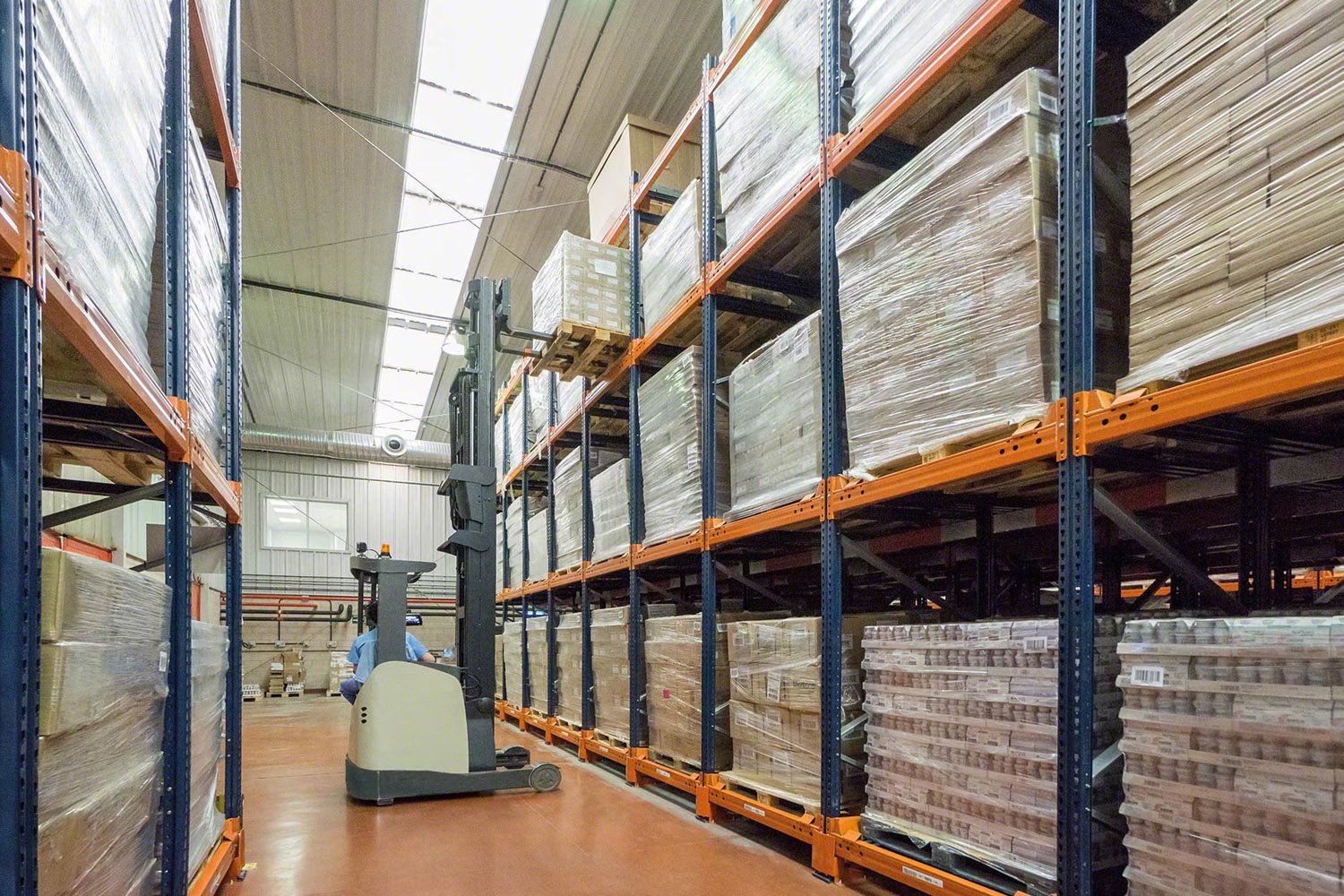
At its core, VNA racking is an adjustable pallet racking system arranged with significantly narrower aisles than conventional racking. In warehouses using standard counterbalance forklifts, aisle widths typically range from 3.0 to 4.5 meters (10-15 ft). By contrast, VNA systems reduce aisle widths to approximately 1.50-1.90 meters (5-6 ft) by using VNA turret trucks or guided forklifts.
Thanks to this very narrow aisle design, VNA racking maximizes storage capacity on the same floor footprint, increasing the number of pallet positions, improving overall warehouse capacity, and efficiently supporting high-volume storage where floor space is limited.
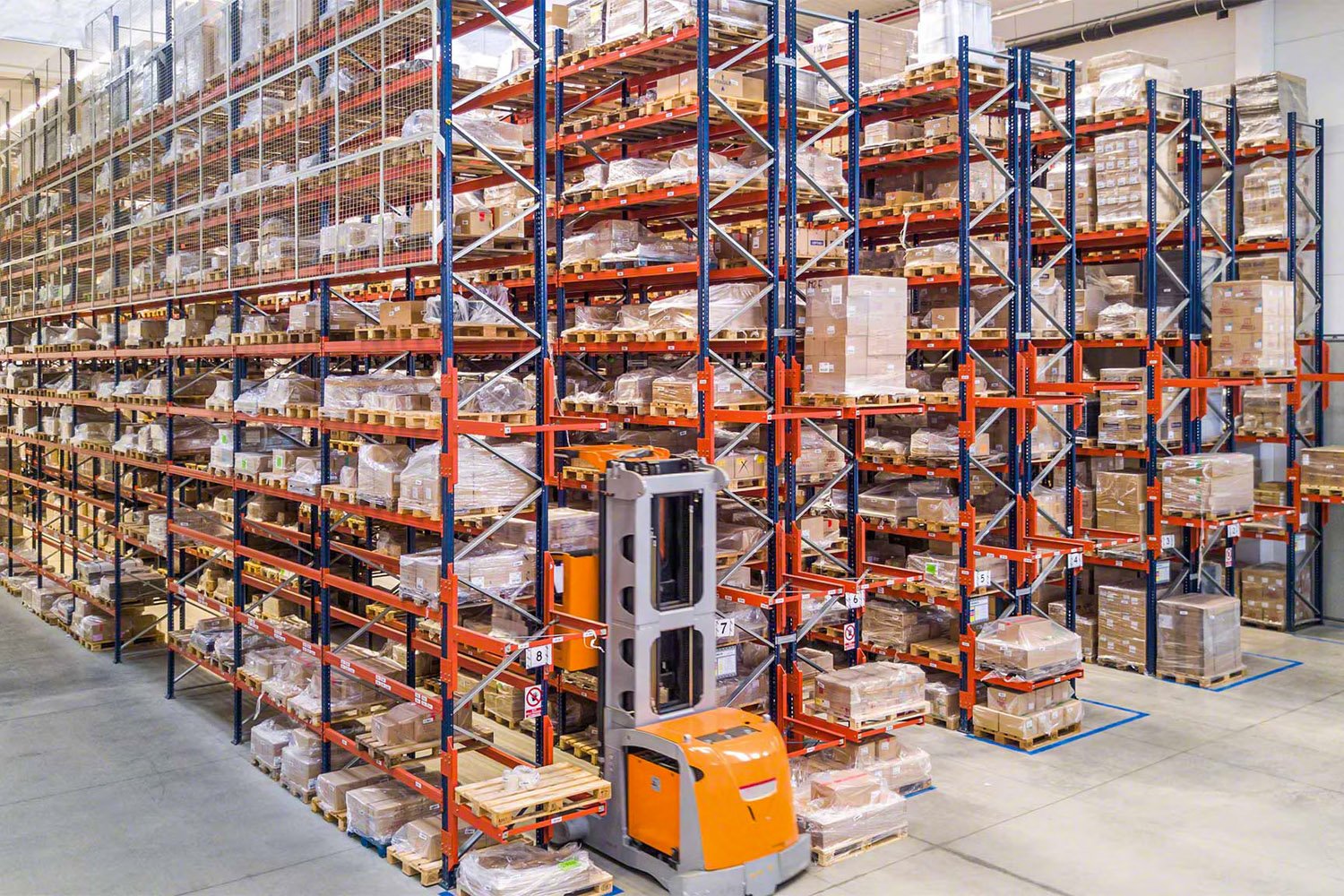
VNA Racking Aisle Width
Aisle width is the core factor that determines the performance of a VNA racking system. Compared to standard selective pallet racking, VNA racking is engineered to minimize the spacing between rack aisles, significantly increasing storage density while optimizing warehouse real estate costs.
Reducing aisle width delivers clear operational benefits:
- Increases the number of racking aisles within the same floor area
- Adds 30-50% more pallet positions compared to selective racking
- Optimizes warehouse cubic utilization, especially in high-clearance facilities
- Reduces the need for warehouse expansion or additional leased space
However, to successfully implement VNA racking with very narrow aisles, a warehouse must meet specific technical requirements, including high floor flatness, sufficient clear height, compliant fire protection systems (NFPA standards), and investment in dedicated VNA material-handling equipment.
When these conditions are met, VNA racking becomes an optimal solution for operations that require maximum storage density while maintaining 100% direct pallet access, making it ideal for modern, space-efficient warehouses in the United States.
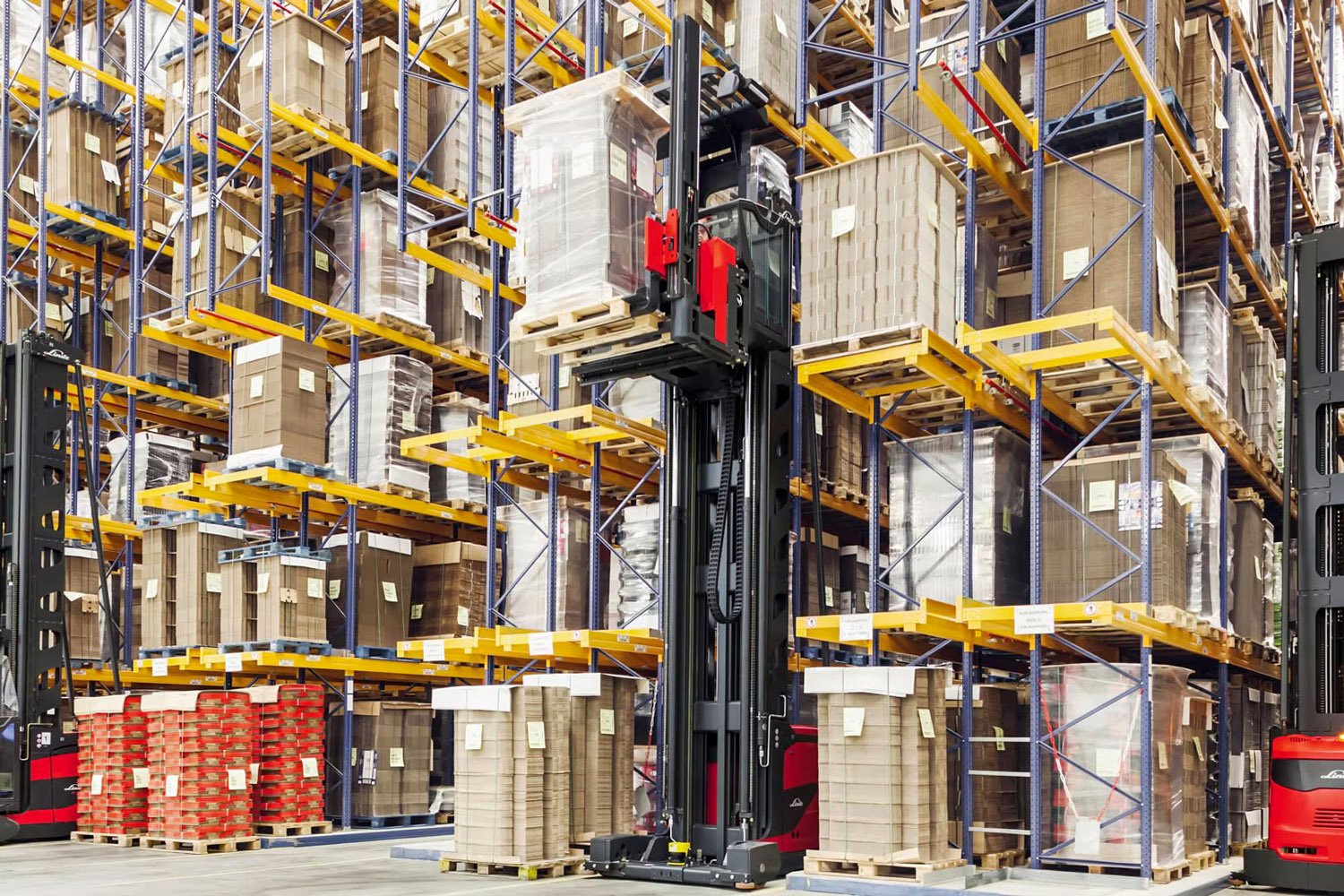
VNA Racking Advantages
VNA racking delivers significant advantages for modern warehouses, especially as real estate costs continue to rise and operational efficiency becomes increasingly critical.
VNA racking improves space utilization, efficiency, and overall warehouse performance
Optimized Storage Space
By substantially reducing aisle widths between racking rows, VNA systems allow more rack aisles to be installed within the same floor area. At the same time, VNA racking makes full use of the warehouse’s clear height, dramatically increasing pallet density and overall storage capacity without expanding the building footprint.
High Flexibility and Versatility
VNA racking is a highly flexible storage solution suitable for a wide range of products. The system can accommodate pallets of various sizes and can also be configured to store cartons, small cases, or other load units, making it ideal for warehouses with a large number of SKUs and diverse product categories.
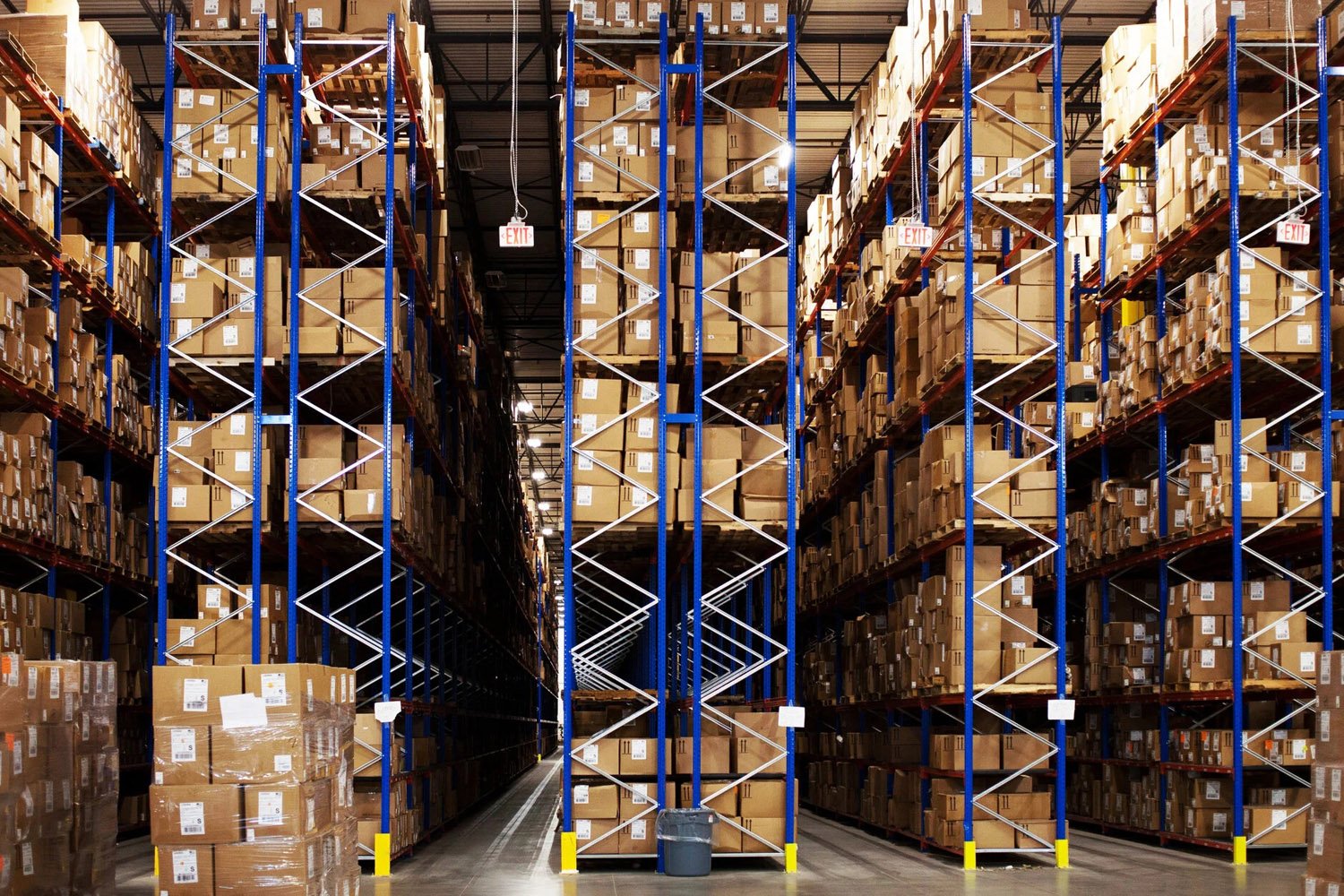
Increased Operational Productivity
With 100% direct access to every pallet, VNA racking shortens put-away and retrieval times while reducing unnecessary handling steps.
Precise access to each storage location supports faster pallet placement, efficient order picking, and quicker replenishment, resulting in higher overall warehouse productivity.
Easy Integration with Automation
VNA racking provides an ideal foundation for warehouse automation. The system can be integrated with AS/RS stacker cranes or other automated handling equipment to partially or fully automate storage operations, improving pallet flow speed, consistency, and operational reliability.
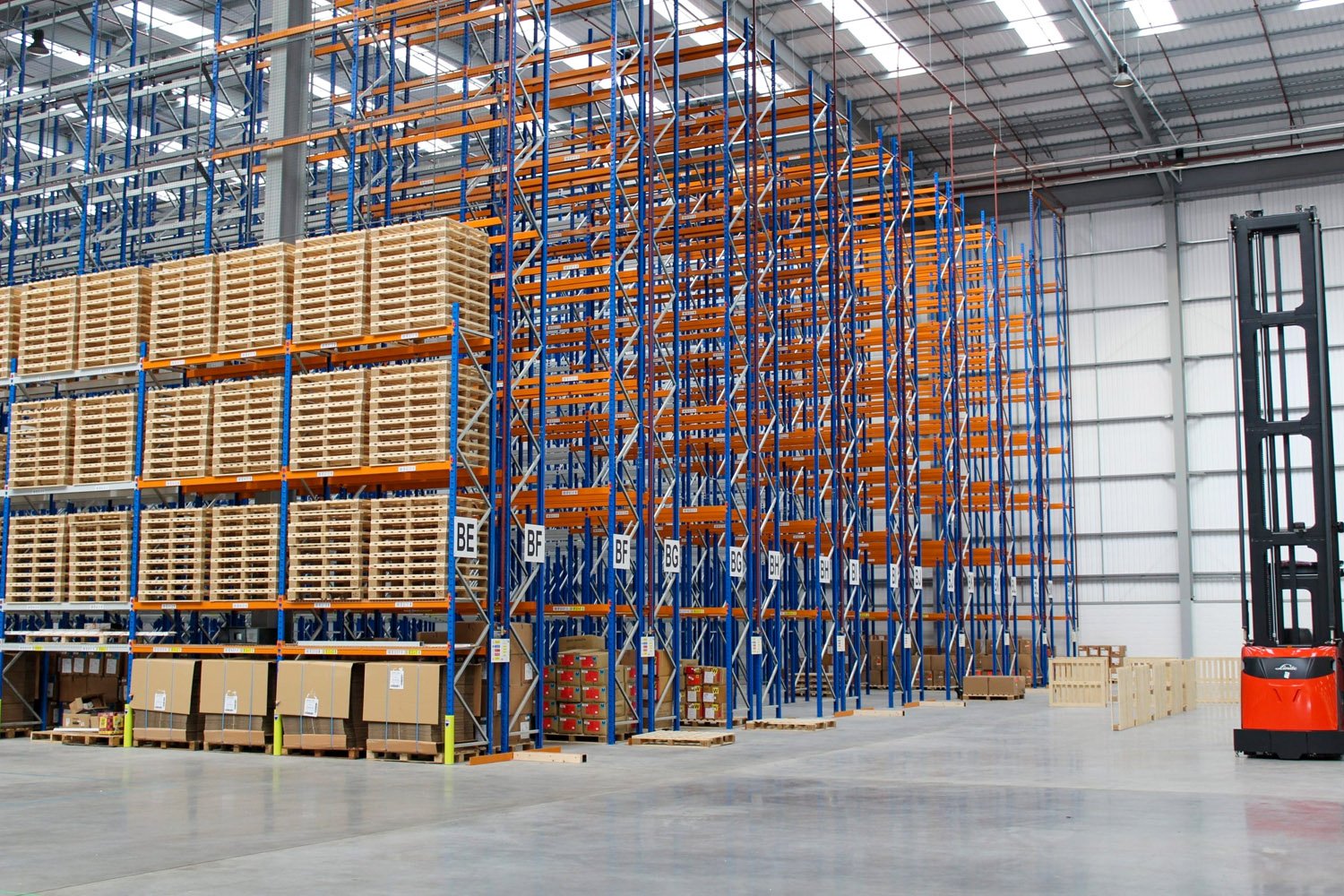
VNA Racking components and accessories
A VNA racking system consists of multiple specialized components and accessories engineered as an integrated solution to ensure high load capacity, structural stability, operational safety, and precision within very narrow aisle environments.
Designed for strength, stability, and safe operation in very narrow aisle warehouses
Upright Frames
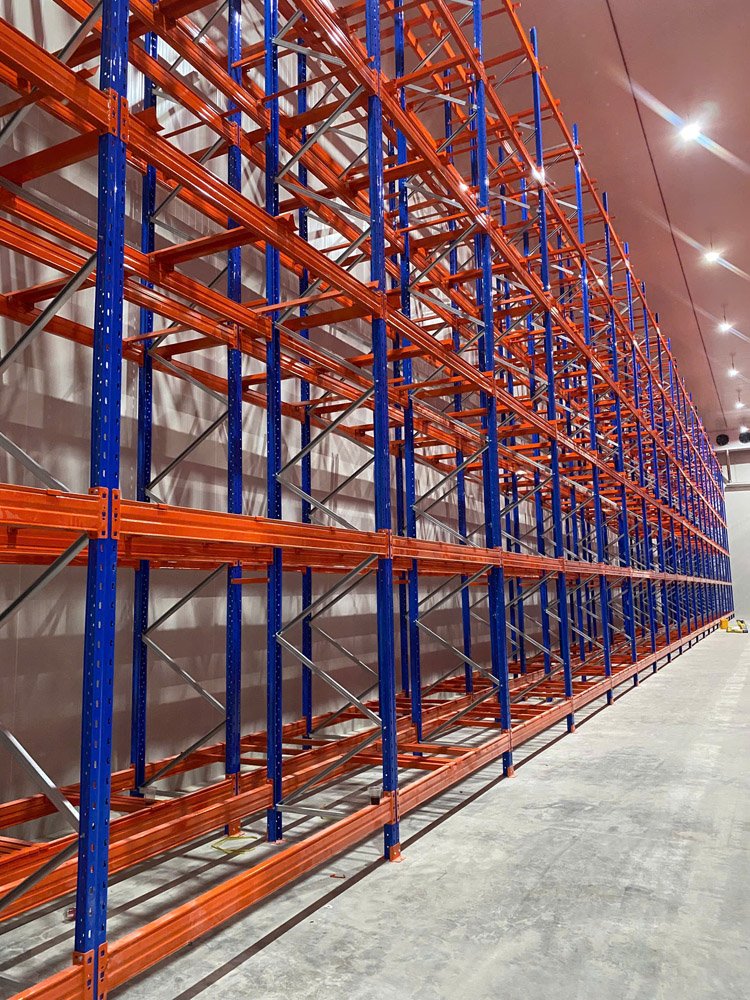
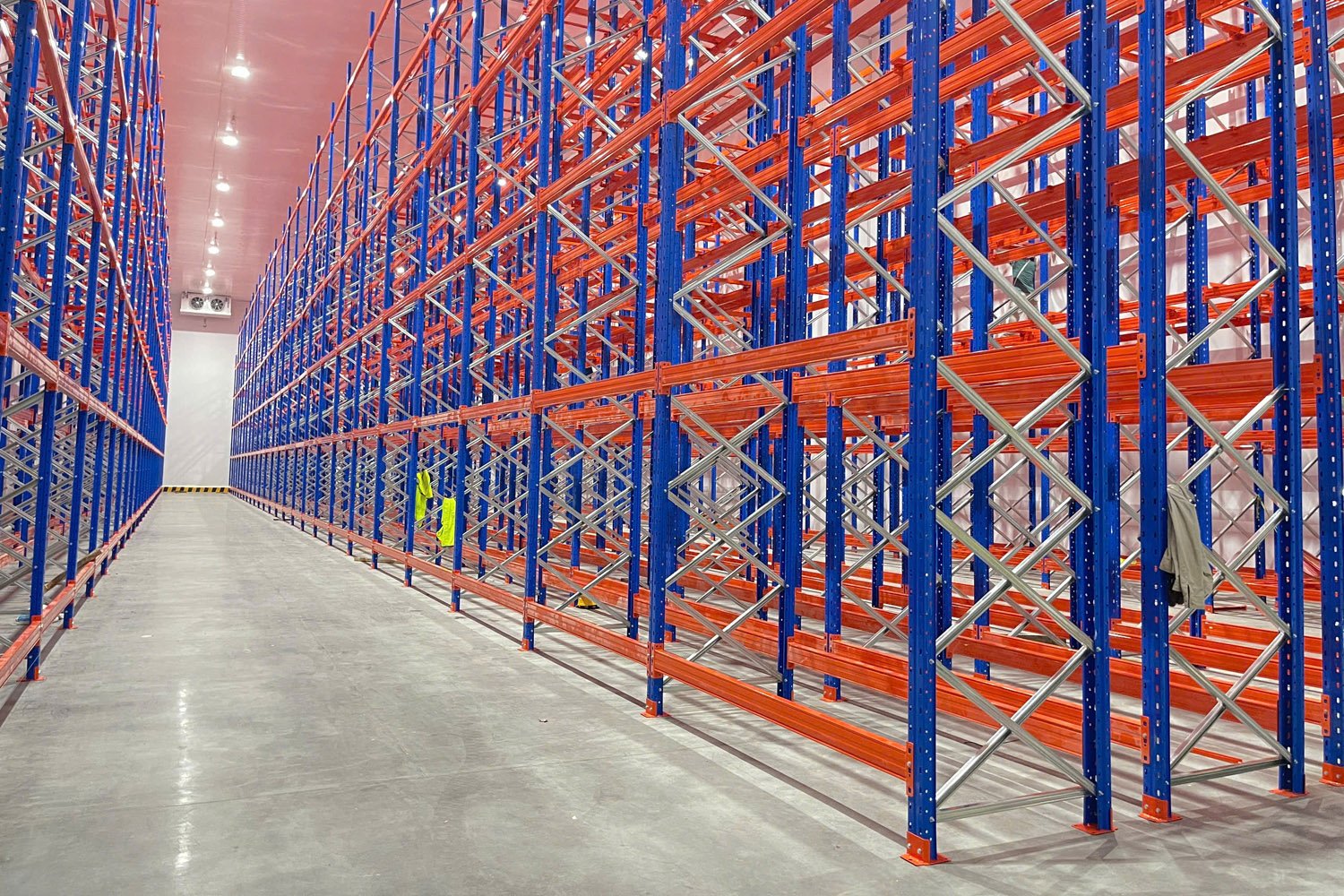
Upright frames are the primary load-bearing structure of a VNA racking system. Due to the system’s height and heavy loads, uprights are manufactured from high-strength steel and engineered to withstand both vertical and horizontal forces.
Baseplate
The baseplate is installed at the bottom of each upright and is responsible for distributing the racking load evenly onto the warehouse floor while providing a secure connection between the upright and the concrete slab. Baseplates are anchored to the floor with anchor bolts, enhancing system stability, especially critical for tall, high-load VNA installations.
Load Beams
Load beams support the pallets directly and connect adjacent upright frames. In VNA systems, beams are precision-engineered to accommodate different pallet sizes while ensuring high load capacity and allowable deflection in accordance with industry standards.
Bracing & Connectors
Horizontal bracing, diagonal bracing, and connection components reinforce the overall rack structure, which is especially important for tall racking in narrow aisles. These elements prevent rack deformation under dynamic loads generated by VNA turret trucks.
Shim
Shims are used when warehouse floors are not perfectly level. Installed directly on the baseplate, shims help level and align the uprights, ensuring the entire VNA racking system remains vertical, stable, and compliant with engineering tolerances.
Pallet Supports and Decking Accessories
Depending on the type of stored goods, VNA racking can be equipped with:
- Pallet support bars
- Wire mesh decking or steel panels
- Rear pallet back stops
These accessories enhance pallet stability, improve safety, and expand the system’s capability to handle different load types.
Applications of VNA pallet racking
Thanks to its high-density storage capability while maintaining 100% direct pallet access, VNA pallet racking is widely applied across a broad range of warehouse types and industries, particularly in locations with high real estate costs or operations that require strict inventory control.
- Distribution Centers: Maximizes storage capacity within the same floor footprint while allowing direct access to every pallet, supporting fast, accurate, and high-throughput distribution operations.
- E-commerce & Omnichannel Warehouses: Effectively supports a wide variety of products with frequent inbound and outbound movements, enabling efficient order fulfillment in high-volume environments.
- Manufacturing Warehouses: Enhances inventory accuracy, reduces the warehouse footprint within production areas, and ensures a continuous and reliable material flow to manufacturing lines.
- Cold Storage & Temperature-Controlled Warehouses: Increases pallet density per square foot of cold storage, lowering capital cost per pallet position and improving overall energy efficiency.
- Retail & FMCG Warehouses: Allows large volumes of fast-moving goods to be stored while maintaining full pallet accessibility, enabling flexible distribution to multiple retail locations.
- 3PL & Logistics Service Providers: Delivers high flexibility and scalability, helping third-party logistics providers optimize warehouse utilization and adapt to multiple customer requirements over the long term.
- Pharmaceutical & High-Value Goods Storage: Ensures precise pallet traceability, strict inventory control, and minimized handling errors, critical for regulated or high-value products.
Reviews
There are no reviews yet.